What Is Magnesium Oxide Powder Used For?
Magnesium Oxide Powder is a versatile inorganic material used across manufacturing, agriculture, water treatment, and health-related products. Its value comes from several practical properties, including alkalinity, thermal stability, and magnesium content. However, its performance depends heavily on purity, particle size, reactivity, and intended grade.
In industrial settings, manufacturers use it in refractory bricks, ceramics, cement products, and electrical insulation. It can withstand intense heat, making it useful for furnace linings and heat-resistant components. Some water treatment systems use it to adjust acidity and support contaminant control. Agricultural suppliers may add suitable grades to soil amendments or animal nutrition products, where magnesium supports plant or livestock needs.
The details matter.
Not every powder is interchangeable. A fast-reacting grade may behave differently from a dense, low-reactivity grade. Food, agricultural, and industrial applications also require different quality controls. Reliable suppliers should provide test data, safety information, traceability, and clear handling instructions. Independent laboratory verification can strengthen confidence, especially when purity affects performance.
There is also room for caution. Magnesium Oxide Powder is sometimes described too broadly, as if one product fits every application. That assumption can create poor results, dust exposure, or unsuitable chemical reactions. Proper selection should consider the product specification, operating temperature, moisture conditions, dosage, and relevant standards. This guide examines the main uses, benefits, limitations, and safety considerations, while recognizing that real-world performance may vary between suppliers and applications.
What Is Magnesium Oxide Powder?
What Is Magnesium Oxide Powder?
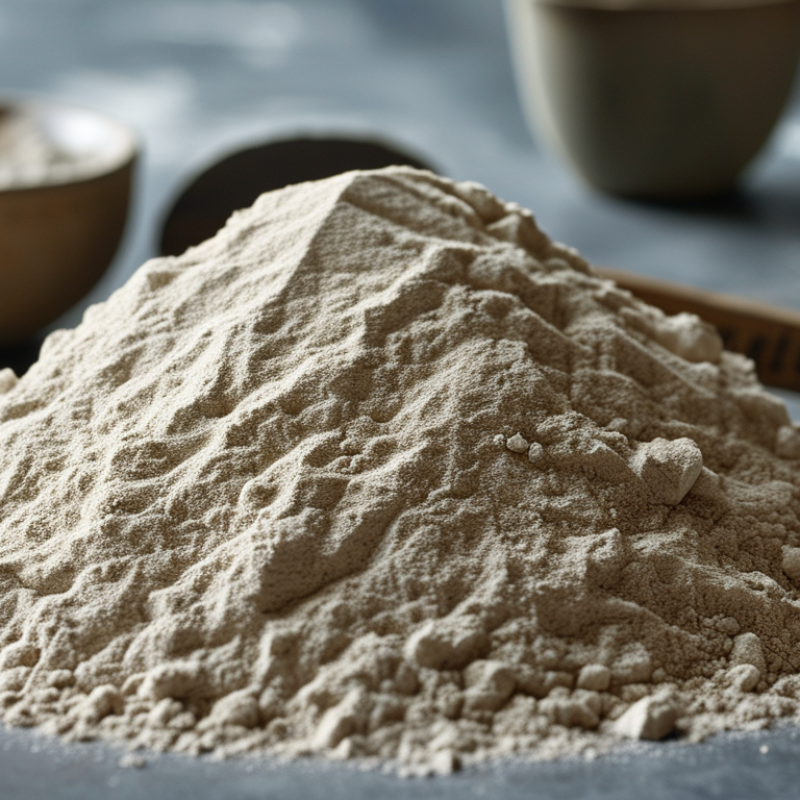
Magnesium oxide powder is an inorganic compound made of magnesium and oxygen. Its chemical formula is MgO. It usually appears as a fine, white powder. Manufacturers produce it by heating magnesite or magnesium hydroxide. This process changes particle size, purity, and reactivity.
Not all MgO powder behaves the same way. Light-burned grades react more readily with water and acids. Hard-burned grades resist heat and chemical attack.
The U.S. Geological Survey’s Mineral Commodity Summaries 2024 reported roughly 29 million metric tons of global magnesite mine production in 2023. China supplied approximately 18 million tons. Magnesite is an important raw material for magnesium oxide.
What is it used for? High-purity MgO supports refractory bricks, furnace linings, and cement systems. These materials face intense heat. Other grades appear in animal nutrition, wastewater treatment, rubber compounds, and regulated antacid products. The correct grade depends on purity, particle size, hydration speed, and contaminant limits. A basic powder can look suitable but fail during testing.
Tips: Check the certificate of analysis before purchasing. Review magnesium content, heavy-metal limits, loss on ignition, and particle-size data. The U.S. National Institutes of Health reports that adults generally need 310–420 milligrams of magnesium daily, but supplemental limits differ by jurisdiction and product form. Do not treat industrial MgO as food-grade material. That distinction is easy to overlook.
How Magnesium Oxide Powder Is Made and Classified
Magnesium oxide powder is made by heating magnesium-rich materials, such as magnesite or magnesium hydroxide. This process removes carbon dioxide or water and leaves a fine, alkaline powder. Production temperature changes its structure and performance. Lower-temperature calcination creates light-burned magnesium oxide, which reacts relatively quickly with acids and water. Higher temperatures produce hard-burned or dead-burned grades. These materials react more slowly and remain stable under demanding conditions.
Classification depends on more than temperature. Suppliers and technical laboratories examine purity, particle size, surface area, reactivity, bulk density, and ignition loss. Light-burned powder may support animal nutrition, wastewater treatment, soil adjustment, and chemical processing when specifications allow. Hard-burned grades can serve refractory mixtures and construction materials. Dead-burned magnesium oxide is dense and highly stable, making it useful in high-temperature linings. The wrong grade can perform poorly. I have found that a powder’s appearance rarely tells the full story.
Tips: Check the certificate of analysis before selection. Compare reactivity, not only purity. Store the powder sealed and dry, because moisture can change handling behavior. Ask for test data at the intended temperature and dosage. Small particles may disperse well, but they can also create more dust. Proper ventilation and protective equipment remain important. Classification terms can vary between suppliers, so confirm the testing method.
What Are the Main Uses of Magnesium Oxide Powder?
Magnesium oxide powder is a versatile inorganic material used in construction, manufacturing, agriculture, and healthcare. Its main uses depend on purity, particle size, reactivity, and heat resistance. Fine powder may behave very differently from coarse industrial grades.
In refractory products, magnesium oxide withstands high temperatures and helps line furnaces, kilns, and other heated equipment. It also supports cement and mortar formulations by improving heat resistance and chemical stability. In rubber and plastics manufacturing, it can act as a processing aid or acid neutralizer. Water treatment facilities may use selected grades to adjust acidity, although dosage requires careful testing.
Agriculture uses magnesium oxide as a source of magnesium for soil and animal nutrition products. It can help correct magnesium deficiency, but application rates should follow soil tests or professional guidance. In healthcare, purified magnesium oxide appears in some antacid and magnesium supplement products. This use requires stricter quality control than construction-grade powder.
Handling details matter. Dust can irritate the eyes and airways, so ventilation and protective equipment are sensible. It is tempting to describe magnesium oxide as a universal solution. That would be misleading. Performance changes with moisture, temperature, impurities, and the intended application, and real-world testing may reveal problems that a product specification misses.
How Magnesium Oxide Powder Works in Different Applications
Magnesium oxide powder works through controlled reactivity, alkalinity, and heat resistance. Its behavior changes with purity, particle size, and calcination temperature. The USGS Mineral Commodity Summaries 2025 estimated global magnesite mine production at about 29 million metric tons in 2024. This figure shows the scale of the mineral supply behind magnesium-based products. It does not represent finished magnesium oxide powder.
In refractory linings, magnesium oxide absorbs intense heat and resists chemical attack from basic slags. Steel furnaces, cement kilns, and glass equipment depend on this stability. A 2024 industry analysis by Grand View Research projected continued growth in the magnesium oxide market through 2030, supported by refractory and construction demand. In construction, the powder reacts with suitable binders to form cementitious materials, panels, and flooring compounds. Performance depends heavily on moisture control. Small processing errors can cause expansion or weak bonding.
Agricultural formulations use magnesium oxide as a concentrated magnesium source for soil or animal nutrition. Its low solubility can support slower release, although soil pH and particle size change the result. In regulated pharmaceutical products, magnesium oxide can neutralize stomach acid or support magnesium intake. The National Academies’ Dietary Reference Intakes report identifies magnesium as essential for nerve, muscle, and bone function. Still, more powder is not better. Field conditions often contradict laboratory results, so application rates require testing, documentation, and professional review.
What Is Magnesium Oxide Powder Used For?
How Magnesium Oxide Powder Works in Different Applications
These values are theoretical stoichiometric reference values calculated for 100 kg of pure magnesium oxide (MgO). Its 60.3 kg elemental magnesium content supports animal nutrition and agriculture, while its theoretical neutralizing value of approximately 248 kg calcium carbonate equivalent supports acid neutralization in soil treatment, wastewater treatment, and industrial processes. Its theoretical carbon dioxide uptake is approximately 109 kg when fully converted to magnesium carbonate. Actual results vary with purity, particle size, moisture, reaction conditions, and process efficiency.
Basis: MgO molar mass = 40.304 g/mol; Mg = 24.305 g/mol; CO₂ = 44.01 g/mol. Neutralizing value is calculated from the two acid-neutralizing equivalents of MgO and the equivalent weight of CaCO₃.
What Safety and Handling Considerations Apply?
Magnesium oxide powder is used in refractory linings, animal-feed formulations, water treatment, and some pharmaceutical products. Its usefulness comes with a practical hazard: airborne dust. Fine particles may irritate the eyes, nose, throat, and lungs. The NIOSH Pocket Guide lists a recommended exposure limit of 10 mg/m³ for magnesium oxide fume. That figure is not a target. It is a warning boundary.
Handle the powder inside local exhaust ventilation, not beside an open doorway or spreading fan. Use sealed transfer equipment when possible. Wear chemical splash goggles, protective gloves, long sleeves, and a suitable particulate respirator when controls cannot maintain safe exposure.
OSHA’s Air Contaminants standard provides workplace limits for general dust exposure, but site-specific assessments may require stricter controls. Check the current safety data sheet before handling. Formulation matters.
Keep bags closed, dry, and raised from the floor. Do not sweep spills with a dry broom. A HEPA vacuum or damp cleanup method can reduce dust becoming airborne, although wet material may become slippery. Wash hands before eating or leaving the work area. I would also label every secondary container. “White powder” is not enough. One mistake I have seen underestimated is compressed-air cleaning. It can turn a quiet floor into a breathing-zone cloud. Review the SDS, train workers, and document air monitoring during repeated handling.