What Are the Top Dental Products to Buy in 2026?
What Are the Top Dental Products to Buy in 2026? The answer depends on your teeth, habits, budget, and professional advice. A crowded bathroom shelf does not guarantee better oral health. Effective choices usually support plaque removal, fluoride exposure, gum care, and consistent daily use.
This guide examines Dental Products through practical experience and current dental guidance. It considers powered toothbrushes with pressure sensors, fluoride toothpaste, interdental brushes, water flossers, tongue cleaners, and carefully selected whitening products. A two-minute brushing routine can feel simple, yet technique still matters. Small details matter.
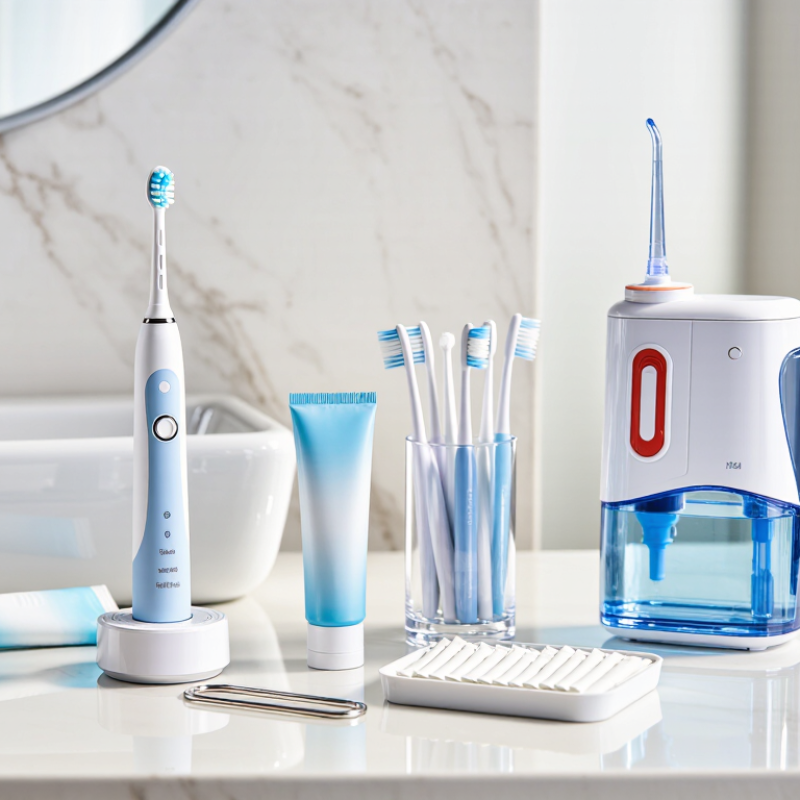
We will compare product features, safety considerations, durability, and value. A soft brush head may protect irritated gums, while an interdental brush can reach spaces that brushing misses. However, no product works equally well for everyone. A water flosser may suit people with braces, bridges, or limited hand movement, but it should not replace professional care without guidance.
Evidence matters more than attractive packaging. Reliable recommendations should reflect dental professionals, established clinical research, and appropriate regulatory standards. Marketing language can sound impressive. It can also distract from basic needs.
Some selections may seem less exciting than expected. That is intentional. A familiar fluoride toothpaste may serve you better than an expensive novelty product. Personal testing also has limits, and preferences can change after dental treatment. Use this overview as a careful starting point, then confirm uncertain choices with a licensed dentist or hygienist. Your best purchase may be the product you can use correctly, comfortably, and consistently.
Defining 2026 Oral-Care Needs Through WHO’s 3.5 Billion Disease Estimate
What Are the Top Dental Products to Buy in 2026?
The World Health Organization estimates that nearly 3.5 billion people live with oral diseases. This figure includes untreated tooth decay, gum disease, tooth loss, and other conditions. It shows why everyday prevention still matters.
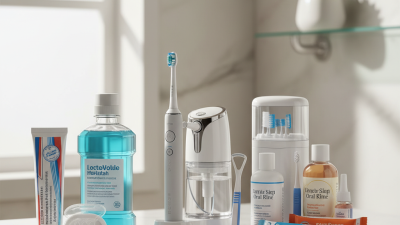
A practical 2026 routine should begin with fluoride toothpaste and a soft-bristled toothbrush. Fluoride helps strengthen enamel, while gentle bristles reduce unnecessary irritation.
Cleaning between teeth
Cleaning between teeth is equally important. Dental floss, interdental brushes, or a water flosser can remove plaque from narrow spaces. The best choice depends on spacing, dexterity, braces, and professional advice.
Use small, careful movements. Bleeding should not simply be ignored, especially when it continues after several days. A dental examination may be needed.
Options: Dental floss · Interdental brushes · Water flosser
Sugar-free chewing gum can support saliva flow after meals when brushing is unavailable. An alcohol-free mouth rinse may help some people, but it cannot replace brushing or interdental cleaning.
Products with harsh ingredients are not automatically more effective. That assumption deserves reconsideration.
Consistency matters
A perfect routine is unrealistic, too. Many people brush quickly, miss the back teeth, or forget at night. A simple routine followed consistently may protect oral health better than an expensive shelf full of products.
People with dry mouth, sensitive teeth, gum swelling, or frequent decay should seek individualized guidance from a licensed dental professional.
Comparing Fluoride Toothpastes Within WHO’s Recommended 1,000–1,500 ppm Range
When choosing dental products for 2026, fluoride concentration deserves more attention than packaging claims. The World Health Organization recommends fluoride toothpaste within the 1,000–1,500 ppm range for routine use. This range supports enamel protection while remaining practical for daily brushing. The WHO Global Oral Health Status Report 2022 estimates that oral diseases affect nearly 3.5 billion people worldwide. That figure makes prevention feel less abstract.
A 1,000 ppm toothpaste may suit some younger users, depending on age and local guidance. Many adult formulations provide about 1,450–1,500 ppm. The Cochrane Database of Systematic Reviews reported that fluoride toothpastes in this range reduce caries more effectively than non-fluoride formulas. Look for the exact ppm number, not vague phrases such as “advanced protection.” I would also check the ingredient panel and use a pea-sized amount for children. Small details matter.
Texture affects adherence. A toothpaste that feels too sharp, gritty, or foamy may be abandoned after a week. That is not a laboratory failure, but it is a real-world one. Brush twice daily for about two minutes, then spit rather than rinsing heavily. This helps fluoride remain on the teeth longer. Still, ppm is not the whole story. Frequent sugar exposure, dry mouth, brushing technique, and dental history can change the best choice. A dentist’s advice may outweigh a higher number on the tube.
What Are the Top Dental Products to Buy in 2026? - Comparing Fluoride Toothpastes Within WHO’s Recommended 1,000–1,500 ppm Range
How to compare: The fluoride levels shown are representative examples, not a ranking of products. Check the package for the actual concentration and age guidance; formulations can differ. Follow local dental guidance, particularly when selecting toothpaste for children.
Selecting Interdental Cleaners in Light of CDC Gum-Disease Data
What Are the Top Dental Products to Buy in 2026?
Selecting Interdental Cleaners in Light of CDC Gum-Disease Data
CDC estimates that about 42% of U.S. adults aged 30 and older have periodontitis, with roughly 8% experiencing severe disease, based on national health survey data. These figures make interdental cleaning worth considering alongside brushing, not as a substitute for professional dental care. The right tool depends on the spaces between your teeth, your dexterity, and any dental work you have. Small interdental brushes can fit open spaces; floss may work better where teeth touch closely. If a brush catches or causes pain, do not force it.
Evidence is not one-size-fits-all. A Cochrane review of interdental cleaning found that adding these tools to brushing may reduce gingivitis, though evidence for preventing periodontitis was limited and varied by tool. That uncertainty matters: a product’s popularity is not proof it will suit your mouth. Try a comfortable size, clean gently along the gumline, and ask a dental professional to demonstrate technique, especially around bridges or braces. The less glamorous detail? Consistency can be harder than choosing the product. Keep the cleaner where you brush, and replace it when worn.
What Are the Top Dental Products to Buy in 2026?
Selecting Interdental Cleaners in Light of CDC Gum-Disease Data
CDC data from the 2009–2012 National Health and Nutrition Examination Survey estimated that periodontal disease affected 46.9% of adults aged 30 years and older and 70.1% of adults aged 65 years and older. These figures support prioritizing daily interdental cleaning, using floss, interdental brushes, or water-based devices according to individual spacing, dexterity, and dental-professional guidance. The data describe disease prevalence and do not compare specific products or brands.
Source: Centers for Disease Control and Prevention, “Periodontal Disease,” based on U.S. NHANES 2009–2012 data.
Ranking Whitening, Water-Flossing, and Smart Devices by Clinical Evidence
What Are the Top Dental Products to Buy in 2026?
Clinical evidence gives whitening products the clearest place in the ranking. Peroxide-based strips or trays can lighten surface and some deeper stains. However, results vary with enamel condition, diet, restorations, and existing sensitivity. Whitening toothpaste mainly polishes external stains. It cannot change the color of crowns or fillings. A dental examination remains wise before repeated whitening, especially with sharp pain or gum irritation.
Water-flossing devices rank next as useful interdental tools. Studies suggest they can reduce plaque and gum bleeding when used consistently. They work well around braces, bridges, and tight dental work. Still, they do not replace brushing or professional cleaning. The evidence is encouraging, but not perfect. Some studies are short, and user technique can influence results. Smart toothbrushes rank third for clinical certainty. Pressure sensors, timers, and app feedback may improve habits. Evidence for better long-term dental outcomes remains limited.
Tips: Choose comfort over complicated features. Use gentle pressure and clean between teeth daily. Replace damaged heads promptly. Stop whitening if sensitivity continues beyond several days. Record gum bleeding for two weeks; small changes can reveal whether the device truly helps. A sleek dashboard is not proof of healthier gums.