Top 10 Facts You Should Know About Talcum Powder?
talcum powder has been a staple in many households for decades. Its soft texture and absorbent properties make it popular for personal hygiene and cosmetics. According to a report by the American Cancer Society, talcum powder can be found in many beauty and baby products. This widespread use raises questions about safety.
Studies have shown a controversial connection between talcum powder use and ovarian cancer. The International Agency for Research on Cancer classifies it as possibly carcinogenic when used in the genital area. This concern is alarming for many consumers. Nearly 10,000 women have filed lawsuits against major companies over talc-related health issues.
Despite these issues, talcum powder remains prevalent. Reports estimate that the global talc market was valued at over $2 billion. The demand is significant, but the questions about its safety persist. Buyers should reflect on the risks associated with talcum powder before making choices for themselves and their families.
What is Talcum Powder and Its Common Uses?
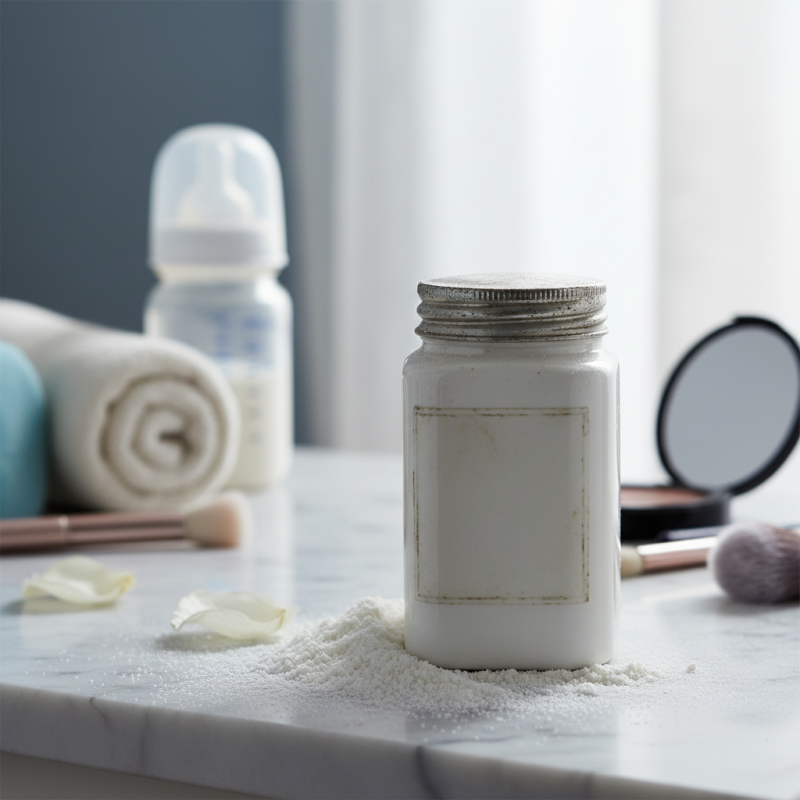
Talcum powder is a fine powder made from talc, a mineral composed of magnesium, silicon, and oxygen. It is commonly used in various products because of its unique properties. One of its primary uses is to reduce moisture and friction. This makes it a popular choice for personal hygiene products.
Many people use talcum powder after showering or bathing. It can keep skin dry and smooth. Some also apply it to prevent chafing during physical activities. In addition, talcum powder is found in cosmetics. It provides a soft texture and helps with oil absorption.
However, there are concerns regarding its safety. Some studies suggest potential health risks. This raises questions for users. Can the benefits outweigh the risks?
It's important to consider these factors before frequent use. Balancing comfort and safety is crucial.
The Composition of Talcum Powder: Minerals and Additives
Talcum powder is a common product used for various purposes. Its main ingredient is talc, a mineral found in the earth. Talc is composed of magnesium, silicon, and oxygen. This mineral excels at absorbing moisture, which makes it appealing in personal care items.
Besides pure talc, many powders include additives. These can enhance fragrance or improve texture. Some powders might contain cornstarch for additional absorbency. Others could have preservatives to prolong shelf life. The exact composition varies widely among products. Yet, this diversity can lead to confusion for consumers.
Understanding what's in talcum powder is crucial. Many believe that all powders are the same, but this is misleading. Ingredients impact safety and efficacy. Some may cause skin irritation or allergies. Consumers must read labels carefully and be aware of their skin's sensitivity.
Health Concerns Associated with Talcum Powder Use
Talcum powder has been used for decades, often as a personal care product. However, health concerns have arisen regarding its safety. Research shows a potential link between talcum powder and ovarian cancer. A study published in the journal "Cancer Prevention Research" found that women who used talc in the genital area had a 33% higher risk of developing this type of cancer.
Inhalation of talcum powder can pose respiratory risks, especially for infants. The American Academy of Pediatrics warns against using talc-based powders on babies. They suggest that inhaling fine particles can lead to lung inflammation and other respiratory issues. This highlights the need for caution, particularly when considering talcum powder for babies.
There’s also a concern about asbestos contamination. Some talc deposits contain asbestos, a known carcinogen. The World Health Organization has classified asbestos as a Group 1 carcinogen. Consumers need to be vigilant and informed about the products they choose. The health implications of talcum powder usage can be significant, making it essential to weigh risks against any perceived benefits.
Top 10 Facts You Should Know About Talcum Powder
| Fact | Details |
| Composition | Talcum powder is made from talc, a mineral composed of magnesium, silicon, and oxygen. |
| Uses | Commonly used for reducing friction and absorbing moisture in personal care products. |
| Cancer Research | Some studies have linked talcum powder to ovarian cancer, primarily with frequent genital use. |
| Asbestos Contamination | Natural talc can be contaminated with asbestos, a known carcinogen, raising safety concerns. |
| Regulatory Status | The FDA monitors and regulates talcum powder, especially for possible contaminants. |
| Safe Usage | Using talcum powder externally and avoiding genital use may minimize risk. |
| Alternative Products | Cornstarch-based powders are often recommended as safer alternatives. |
| Historical Use | Talcum powder has been used for over a century for various personal care applications. |
| Public Awareness | Increased litigation and media coverage have heightened public awareness regarding safety. |
| Consumer Opinions | Many consumers are now opting for talc-free options due to health concerns. |
The History of Talcum Powder in Consumer Products
Talcum powder has a rich history dating back to the 19th century. Initially used in baby products, its fine texture made it popular for preventing rashes. By the early 1900s, it became a staple in personal care items, celebrated for its absorbent qualities. According to a 2020 report from the Cosmetic Industry Association, talc was a key ingredient in nearly 20% of consumer products on the market.
Consumer awareness has grown, prompting scrutiny over talcum powder's safety. Data from health organizations revealed a notable increase in concerns related to talc exposure. The American Cancer Society noted that some studies suggested a potential link between talcum powder use and health risks. These findings have made some rethink their usage of talcum powder in daily routines.
Tip: Consider using cornstarch-based alternatives, which provide similar benefits without the health concerns linked to talc. Keep informed about ingredients in your products. Always read labels before purchasing items. You might discover safer options that align with your preferences. Small, informed choices can lead to significant changes in your health and well-being.
Recent Research and Legal Cases Involving Talcum Powder
Recent research has highlighted concerns about talcum powder and its potential health risks. Studies indicate a link between talcum powder use and ovarian cancer. A notable report from the American Cancer Society states that women using talcum powder regularly have a 30-40% greater risk of developing ovarian cancer compared to non-users. This alarming statistic has triggered numerous lawsuits against companies, with some cases resulting in significant financial judgments.
Legal cases often showcase compelling testimonies from affected individuals. Many claim they used talcum powder for decades without knowledge of its potential dangers. Some trials have revealed internal documents suggesting companies were aware of the risks but chose to downplay them. Public perception is shifting as more research becomes available.
In addition, a 2021 study published in the Journal of Epidemiology found evidence supporting the association between talcum powder and other cancers. The findings were influential in prompting regulatory scrutiny. Many consumers are beginning to question the safety of talcum powder products, leading to a decline in usage. Reflecting on these factors raises the need for ongoing research and transparent communication from manufacturers.