Why Choose Teeth Whitening Powder for Your Business?
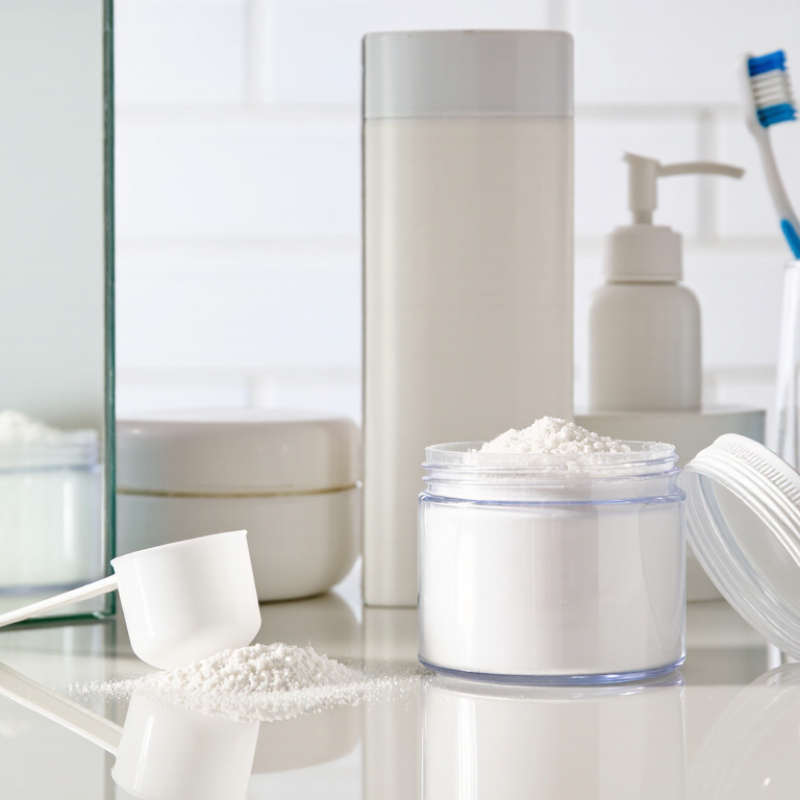
Choosing Teeth Whitening Powder for your business can create a practical, differentiated product experience. Its dry format may reduce shipping weight, simplify storage, and support longer shelf stability when properly formulated. A small jar beside a bathroom mirror feels tangible and easy to understand. Customers can measure a controlled amount with a clean scoop. However, convenience alone does not prove value.
A responsible business should examine the formula, ingredients, testing records, and intended use. Speak with qualified dental professionals before making oral-care claims. Review applicable cosmetic and consumer-product requirements in every target market. Third-party testing can help verify microbial safety, contamination limits, packaging compatibility, and product consistency. Clear instructions matter, especially for brushing frequency and sensitive teeth.
The product must earn trust.
Teeth Whitening Powder can support a broader oral-care range, but it should never be presented as a guaranteed replacement for professional treatment. Shade improvement varies with stains, enamel condition, habits, and user technique. That limitation deserves honest communication. Powder may also feel messy if the lid, scoop, or seal is poorly designed. This is a real weakness, not a detail to hide.
Businesses that collect customer feedback can improve the texture, flavor, packaging, and instructions over time. One customer may prefer a mild mint taste, while another may dislike foaming agents. Those details influence repeat purchases. Reliable sourcing, documented quality controls, and careful claims create stronger commercial foundations. The opportunity is promising, but thoughtful testing should come before confident marketing.
What Is Teeth Whitening Powder and How Does It Work?
Why Choose Teeth Whitening Powder for Your Business?
Teeth whitening powder is a dry oral-care product designed to polish away some surface stains. Common formulas may contain fine calcium carbonate, sodium bicarbonate, silica, or carefully selected whitening agents. The powder is usually mixed with water or applied to a damp toothbrush. Brushing creates light friction across the enamel surface. This action can help lift stains from coffee, tea, tobacco, and strongly colored foods.
It sounds simple. It is not. The result depends on particle size, formula balance, brushing pressure, and the user’s tooth condition. Most powders cannot change the natural color of deep enamel or dentin. They mainly improve the appearance of external discoloration.
Products containing peroxide may work differently, because peroxide can react with stain molecules. However, its concentration and use instructions require careful professional review.
For a business, clear education matters as much as attractive packaging. Customers should know that whitening powder is not a substitute for brushing technique, dental checkups, or treatment for decay.
Excessive abrasion may increase sensitivity or gradually affect enamel surfaces. That risk deserves honest attention. A reliable product should provide a transparent ingredient list, practical directions, and appropriate warnings.
It should also encourage gentle brushing for about two minutes, rather than aggressive pressure.
The lesson is uncomfortable: a brighter smile does not always mean healthier teeth. Good product development respects both goals.
Which Benefits Make Teeth Whitening Powder Suitable for Businesses?
Teeth whitening powder can suit businesses seeking a practical oral-care product with flexible selling options. Its dry format is lightweight, easy to portion, and often simpler to store than liquid alternatives. This can reduce packaging concerns and support efficient shipping. Small jars, sample sachets, and refill packs may serve different customer needs.
From hands-on product evaluation, consistency matters more than impressive advertising. A reliable powder should have clear ingredient information, hygienic packaging, batch records, and instructions for responsible use. Businesses can also provide a measured scoop, helping customers avoid using excessive amounts. The formula should be tested for quality and supported by suitable safety documentation. Customer guidance should mention possible sensitivity and recommend professional dental advice when needed.
The product is not a perfect solution. Whitening results can vary with stains, enamel condition, and daily habits. That limitation deserves honest communication. Businesses may build stronger trust by avoiding dramatic promises and explaining realistic use expectations. Staff training also helps, especially when customers ask about frequency, storage, or irritation. A clean design, stable supply, and responsive after-sales support can make the product easier to manage. It may not fit every market, but its compact format and straightforward presentation can create useful opportunities for retailers, salons, and online sellers.
What Ingredients and Product Features Should Businesses Evaluate?
Businesses evaluating teeth whitening powder should examine ingredients before packaging or flavor. The World Health Organization’s Global Oral Health Status Report 2022 estimates that oral diseases affect nearly 3.5 billion people worldwide. This creates demand, but whitening claims must not replace basic oral-care protection.
A powder containing hydrated silica, calcium carbonate, or bicarbonate needs abrasion testing. A bright smile should not come from excessive enamel wear. Ask suppliers for particle-size data, microbial limits, heavy-metal screening, stability results, and batch certificates. Fluoride may support cavity prevention, yet its permitted level and labeling requirements vary by market. Peroxide ingredients require especially careful safety and regulatory review. The CDC’s 2017–2020 National Health and Nutrition Examination Survey found untreated cavities in 25.9% of U.S. adults aged 20–64. That figure makes responsible formulation more important than dramatic whitening language.
Product features also shape customer trust. Moisture-resistant packaging can prevent clumping in humid bathrooms. A clear scoop improves dosing consistency. Businesses should request independent abrasivity testing, using relevant dentifrice methods such as ISO 11609:2017 where applicable. A powder can look clean and premium, yet that impression proves little. I would not treat low price as a quality signal. Sensitivity testing is useful, but short studies may miss long-term irritation. The weak point is often overlooked: real users brush with different pressure, timing, and frequency. Claims should reflect those limits.
Why Choose Teeth Whitening Powder for Your Business?
What Ingredients and Product Features Should Businesses Evaluate?
This illustrative 1–5 evaluation framework highlights the factors businesses commonly review when selecting a teeth whitening powder. Low-abrasion performance, transparent ingredient labeling, moisture protection, and reliable packaging can help support product safety, quality consistency, and customer confidence. Hydrated silica, calcium carbonate, and sodium bicarbonate are commonly evaluated as polishing ingredients, while activated charcoal should be assessed carefully for formulation safety, abrasivity, and evidence-supported claims.
How Can Businesses Select a Safe and Reliable Supplier?
Choosing a safe and reliable teeth whitening powder supplier requires more than comparing prices. Businesses should request a complete ingredient list, recent laboratory reports, and a Certificate of Analysis for every batch. The report should identify active ingredients, purity, heavy metals, microbial limits, and contamination risks. A polished sample proves very little.
Ask how the supplier controls production. Reliable facilities can explain their quality system, staff training, equipment cleaning, and batch traceability. Certifications such as GMP or ISO may support confidence, but businesses should verify their scope and validity. Product testing should come from an independent, qualified laboratory when possible. Check the packaging, storage conditions, shelf life, and transport instructions carefully. Moisture can change a powder’s texture and performance.
Request a small sample before signing a large contract. Review its texture, odor, dispersion, and package seal under normal storage conditions. More importantly, ask for clear directions, warnings, allergen information, and evidence supporting cosmetic or oral-care claims. Requirements differ by country, so a local regulatory specialist or dental professional should review the final label. This step is often skipped.
A supplier who avoids technical questions is a warning sign. So is a report with missing batch numbers. Businesses should also examine complaint handling and recall procedures. Even careful suppliers can make mistakes; the real test is how openly they correct them. Overlooking these details may save money today, but it can create customer complaints, damaged trust, and unnecessary compliance problems later.
What Regulations and Marketing Factors Should Businesses Consider?
Choosing teeth whitening powder can help a business offer a convenient oral-care option, but compliance must guide the product strategy. Regulations differ by country and may classify whitening powders as cosmetics, oral-care products, or regulated treatments. Check the rules in every intended market.
Claims need proof. Avoid promising instant whitening, permanent results, or treatment for dental disease without strong scientific evidence. Review each ingredient for safety, concentration limits, contamination risks, and proper use. Independent laboratory testing can support quality claims, while clear batch records improve traceability. Labels should include ingredients, directions, warnings, storage details, net quantity, and responsible business information. A qualified regulatory professional should review the final packaging.
Tips: Match every marketing statement with test data. Use plain language. Explain realistic results, such as removing some surface stains. Show how customers should measure the powder and avoid swallowing it. Keep before-and-after images honest, consistent, and permission-based. Do not target children casually. Include advice to seek dental guidance when users have sensitive teeth, gum problems, restorations, or ongoing pain.
Marketing also requires careful audience research. Customers may value recyclable packaging, gentle ingredients, or a simple morning routine. However, attractive design cannot replace evidence. A polished campaign may still create doubt if the ingredient list is difficult to read. Businesses should monitor complaints, returns, and adverse reactions after launch. Marketing plans are never perfect; customer feedback may expose assumptions that deserve revision.